
Gabor Holography
Reinvented
All-optical, twin-image-free on-axis holography for cleaner and faster quantitative phase and amplitude imaging. Phazor keeps the simplicity of Gabor holography without the need for iterative reconstruction.
What changes
Keep on-axis holography, lose the twin image
On-axis holography is attractive because it is compact, mechanically robust, and efficient. It works with lower sensor resolution, shorter exposure times, and looser coherence and stability requirements than off-axis approaches.
The tradeoff has always been the twin-image artifact. Most workflows compensate with iterative reconstruction or machine learning, which adds compute cost, latency, and another source of uncertainty. Phazor handles the problem in the optical system directly, for real-time imaging performance.
In practice
The difference, side by side
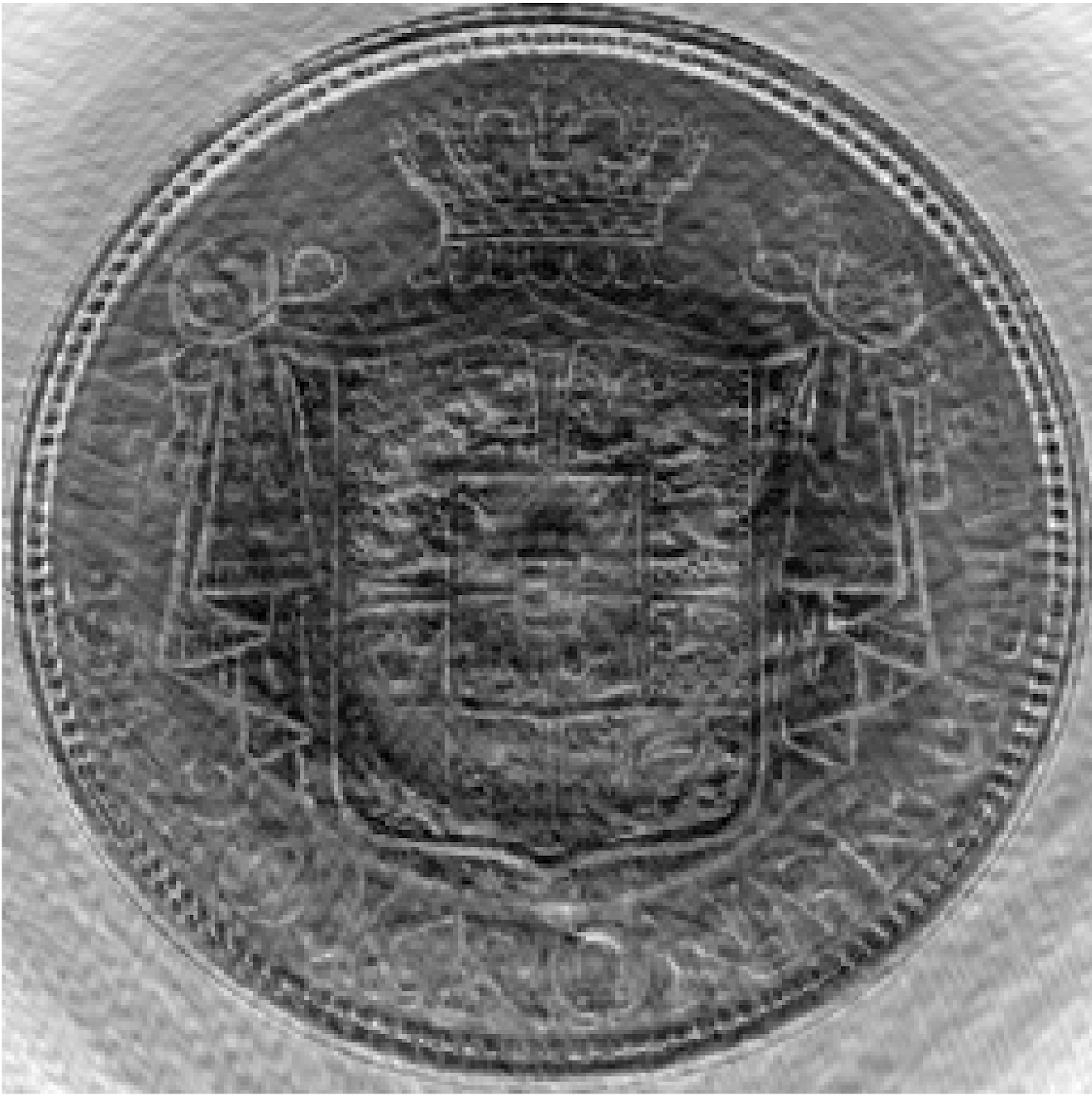
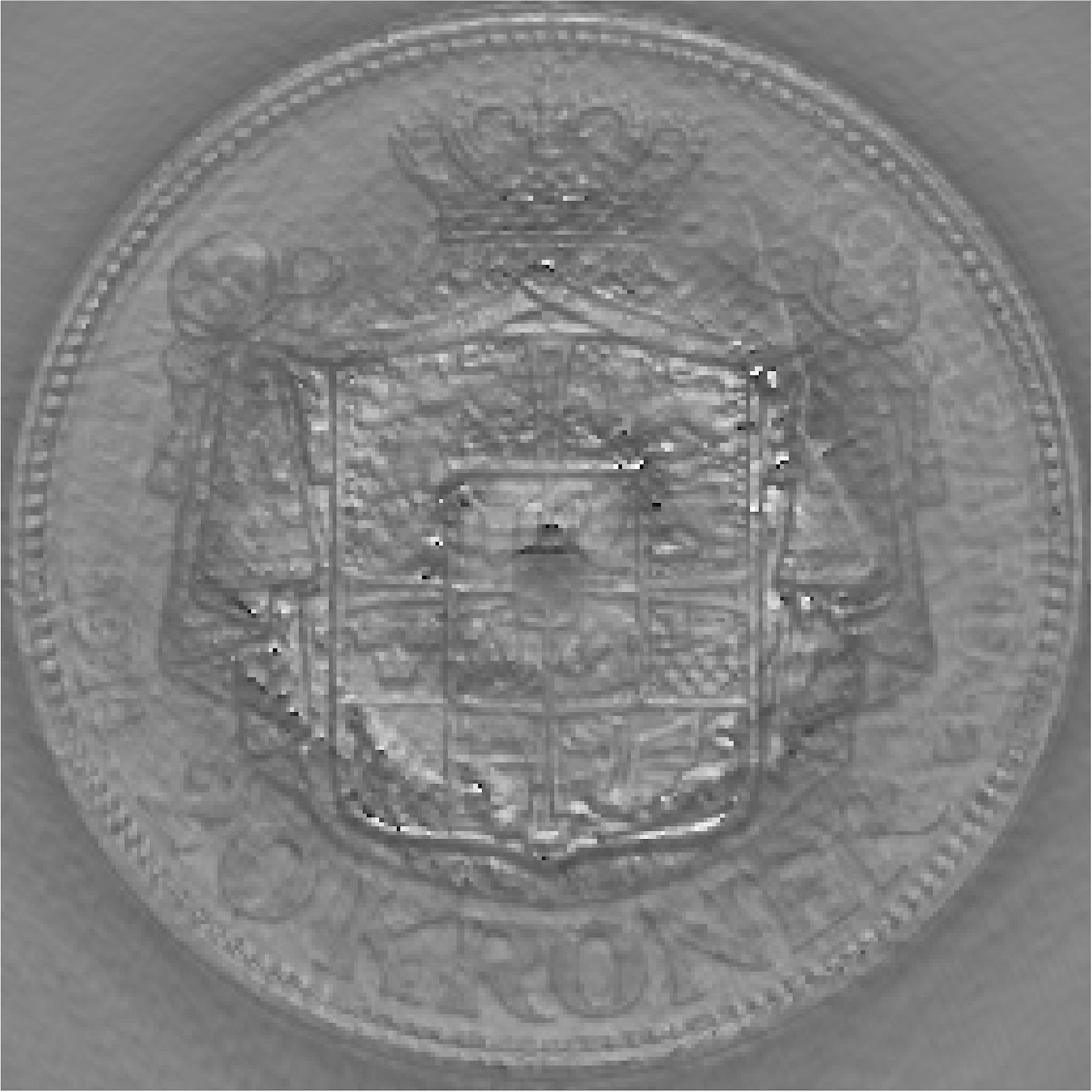
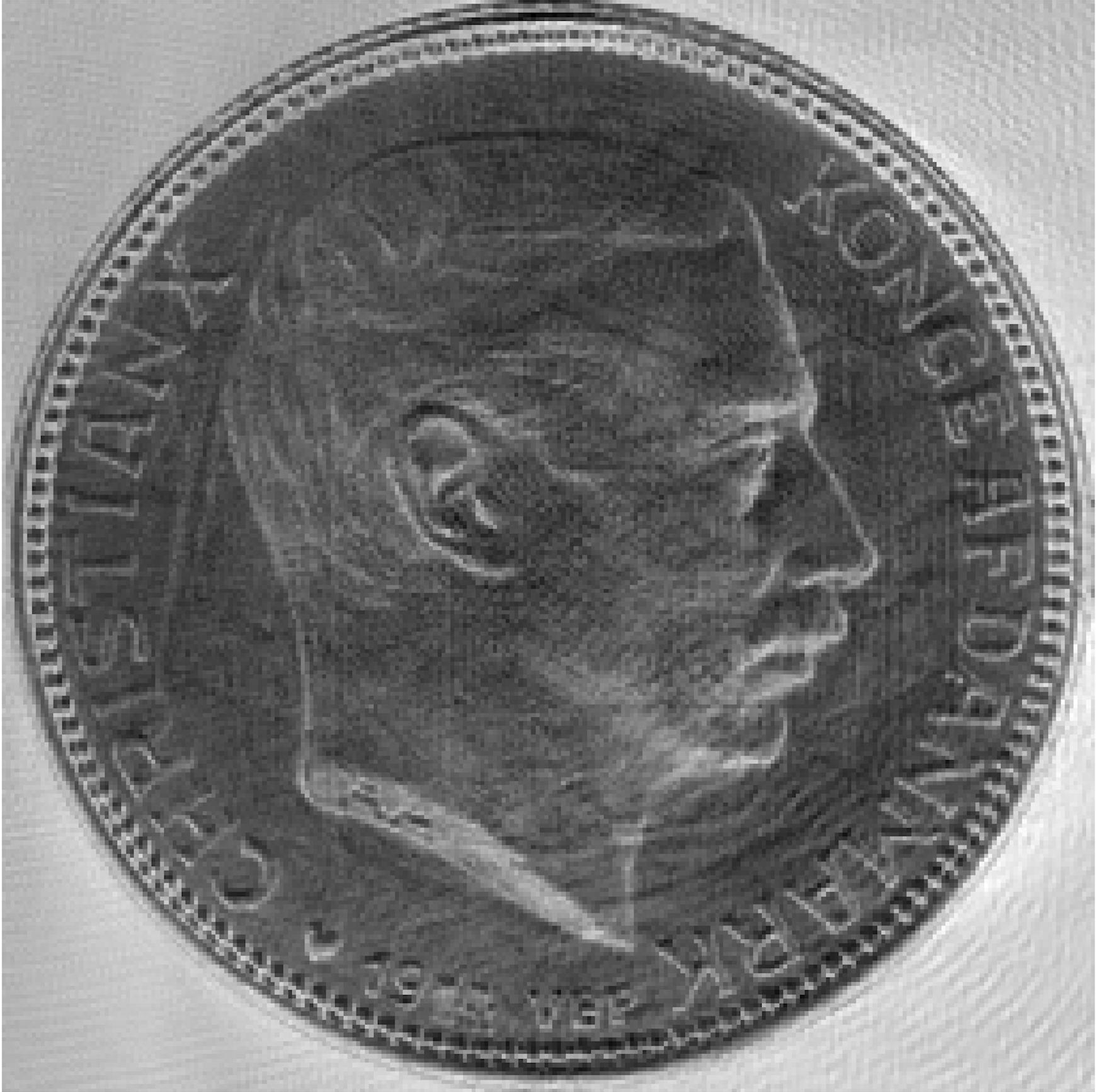
In this example, each side of a coin is encoded into its own optical channel, one in amplitude and one in phase. In conventional Gabor holography, the twin image bleeds into both channels during reconstruction, causing the two sides to mix together. Phazor removes this directly in the optics, keeping each channel clean so both sides reconstruct distinctly, with no post-processing required.
Gabor holography
Amplitude
Phase
In conventional Gabor reconstruction, the twin image leaks into both channels, mixing residual features from each face into the other.
Phazor
Amplitude

Phase
With Phazor, the channels separate cleanly. Each face appears only in its intended channel, with no leakage from the opposite side.
Features
What it means for you.
Cleaner reconstructions from the start
Phazor removes the twin image optically without iterative bottlenecks. You get cleaner amplitude and phase data with less ambiguity in the reconstruction.
Fast enough for real workflows
Phazor enables quantitative phase and amplitude reconstruction without the need for iterative algorithms or trained models, directly cutting compute load.
Keep the advantages of on-axis holography
Common-path robustness, shorter exposure times, relaxed stability requirements, and lower sensor demands all stay intact. That means simpler systems that are easier to use outside tightly controlled lab setups.
Integration
Drop-in upgrade for existing microscopes
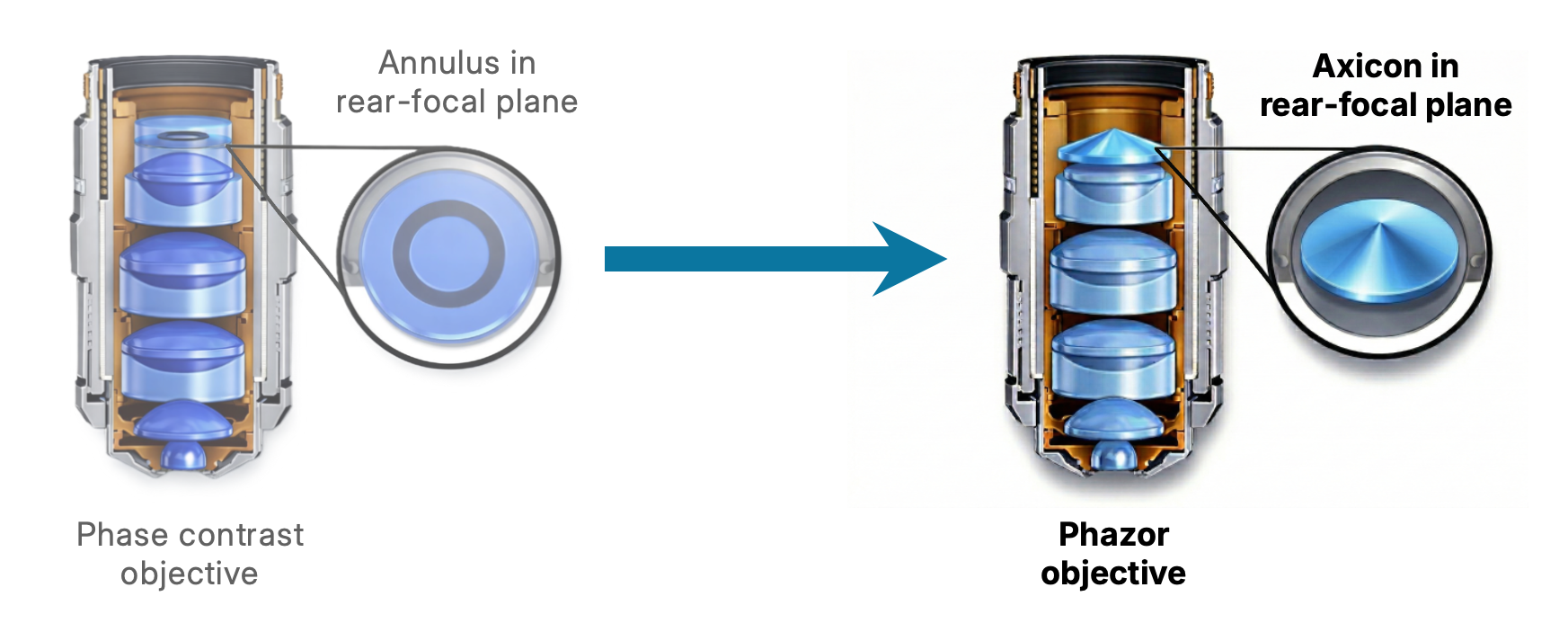
Phazor can be integrated directly into a microscope objective, transforming existing microscopes into powerful quantitative phase imaging systems without modifying the microscope itself. By replacing the traditional phase-contrast annulus with a proprietary optical element, Phazor delivers complete phase information with a simple objective swap.
Applications
Where Phazor shines
Digital holographic microscopy
Recover phase and amplitude with fewer reconstruction artifacts, and trust what you see in cells, droplets, microstructures, and other transparent or weakly scattering samples.
Inline sensing systems
Build compact coherent imaging systems that keep the common-path stability of inline holography without taking the usual quality hit in the recovered signal.
Metrology and inspection
When measurement fidelity matters, suppressing artifacts in the optics reduces cleanup downstream and helps repeatability in high-volume inspection work.
Custom imaging architectures
Phazor is not tied to one phase-shaper geometry. The same principle can be adapted to tailored optical transfer functions and product-specific imaging systems.
Featured in
Coverage and mentions
News, announcements, papers, preprints, and conferences connected to this platform.
Exploring holographic imaging or phase-sensitive sensing?
We work with research teams and product groups building coherent imaging systems.